When estimating millwork cabinet prices for a design-build project, consider key factors such as materials, size, and design complexity, as they all influence overall costs. Obtaining multiple quotes and collaborating with skilled residential cabinetmakers ensures that your vision aligns with both your budget and functionality. Don’t overlook installation and hardware expenses, as they significantly affect the total price of a cabinet. Understanding these details helps you refine estimates and plan effectively.
Understanding Millwork Cabinets
Understanding millwork cabinets is essential when planning to upgrade your space. These custom-built pieces combine craftsmanship, functionality, and aesthetics, factors that directly influence cabinet expenses. With the help of millwork estimating services and software, you can gain a clear view of material, labor, and design costs.
This enables you to make informed decisions, strike a balance between quality and affordability, and avoid unexpected expenses. By understanding how custom millwork cost estimation works, you can establish a realistic budget and achieve beautifully crafted cabinets that align with your project goals.
Key Factors That Influence Cabinet Prices
Several key factors influence overall cabinet prices in any design-build project. Understanding how materials, size, finishes, labor, and design complexity affect costs helps you plan effectively and stay within budget.
Materials and Wood Types
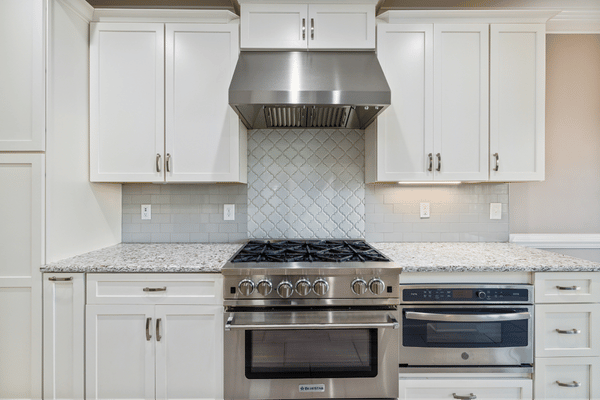
Materials and wood types greatly affect the cost. High-end hardwoods, such as oak, cherry, or maple, offer durability and a timeless finish, but they are more expensive. Budget-friendly options, such as plywood or MDF, can help save money, although they may not offer the same strength, longevity, or premium aesthetic appeal.
Cabinet Size and Layout
Cabinet size and layout play a significant role in determining total costs. Larger units and complex designs require more materials, labor, and installation time, increasing cabinet costs. Planning an efficient layout that maximizes storage while minimizing unnecessary complexity helps you achieve both functionality and cost efficiency.
Finishes and Hardware
Finishes and hardware have a significant impact on cabinet prices and overall quality. Choices such as custom stains, paint, or laminate finishes determine both durability and appearance. Premium hardware, including soft-close hinges and decorative handles, adds both elegance and convenience, but can also increase costs. Balancing aesthetics and practicality ensures lasting value.
Labor and Installation Costs
Labor and installation are key factors in the overall cost of a cabinet. Experienced professionals often charge higher rates but provide superior craftsmanship and attention to detail. Installation complexity, site conditions, and regional labor rates can also impact costs, so obtaining local estimates ensures accuracy and budget alignment.
Design Complexity and Custom Details
Design complexity and customization significantly impact the prices of your cabinet. Detailed carvings, unique shapes, and specialized finishes demand more time and craftsmanship, increasing labor costs. Additional features, such as lighting or built-in organizers, further increase expenses. Clear planning and communication with your cabinet maker help maintain design integrity within budget.
The Role of Millwork Estimating Services
Millwork estimating services play a crucial role in accurately determining cabinet pricing. These services help streamline budgeting, minimize unexpected costs, and ensure every design and material choice aligns with your project goals.
How Estimating Services Simplify Project Planning
Estimating services play an essential role in simplifying project planning for millwork cabinets. They provide accurate cost assessments, helping you budget effectively. By breaking down materials and labor, these services clarify the scope of your project, making it easier to identify potential issues early. With precise estimates, you can streamline decisions and allocate resources efficiently, ensuring your project stays on track.
When to Hire a Professional Estimator
Hiring a professional estimator can be a game-changer for your millwork cabinet project, especially if you’re facing complex designs or large-scale installations. If you lack experience in pricing materials or need accurate measurements for intricate details, it’s wise to consult an expert. Their insights can streamline your budgeting process and help you avoid costly mistakes, ensuring your project stays on track.
Benefits of Using Estimating Software
Using millwork estimating software can transform how you plan and manage the price of cabinets. It offers speed, consistency, and accuracy, allowing you to create detailed cost estimates effortlessly. Consider these key benefits:
- Automated calculations reduce human error and save time.
- Real-time cost updates help you stay on budget as prices change.
- Detailed reporting provides transparency for clients and team members.
- Centralized data storage streamlines collaboration and documentation.
- Instant quote generation speeds up client approvals and project planning.
With estimating software, you can focus more on design and execution while maintaining financial accuracy and control.
Average Cabinet Cost Breakdown
Understanding the average cabinet cost breakdown helps you see where your budget goes. From materials to labor and finishes, each component contributes to the final cost of the cabinet.
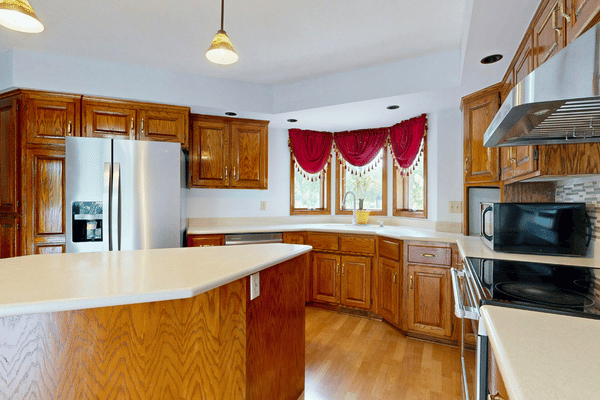
Stock vs. Semi-Custom vs. Custom Millwork Cabinets
Whether you’re looking to upgrade your space or simply want more storage, understanding the differences between stock, semi-custom, and custom millwork cabinets is essential for your budget. Stock cabinets are pre-made and budget-friendly, while semi-custom offers more choices in size and style. Custom cabinets are tailored to your specific needs, offering ultimate flexibility but at a higher cost. Choose wisely!
Average Cost per Linear Foot of Millwork Cabinets
Understanding the average cost per linear foot of millwork cabinets helps you better plan your budget, especially when comparing stock, semi-custom, and custom options. Typically, stock cabinets range from $100 to $300 per linear foot; semi-custom options fall between $200 and $600; and custom cabinets can start at $500 and exceed $1,200 per linear foot. Knowing these ranges helps make informed decisions.
Other Costs to Include in Your Estimate
Estimating the total cost of millwork cabinets involves more than just the price per linear foot; several additional expenses must be considered. Here’s a quick breakdown of these costs to help you refine your estimate for a more accurate budget.
| Cost Component | Estimated Cost |
| Hardware | $200 |
| Installation | $500 |
| Finishing Materials | $300 |
| Taxes | $150 |
| Delivery Fees | $100 |
Tips for Keeping Cabinet Costs Within Budget
Staying within budget while achieving your desired cabinet design requires smart planning and informed decisions. By comparing quotes, focusing on functionality, and collaborating with skilled professionals, you can effectively balance quality, style, and cost.
Request Multiple Quotes
To get the best value for your millwork cabinets, always request multiple quotes to compare. Compare pricing, materials, and lead times to ensure each vendor uses the exact specifications. This helps you make accurate, budget-friendly decisions.
Prioritize Function Over Flash
Avoid overspending on flashy designs and focus on functionality instead. Choose cabinet features that enhance usability and efficiency. Practical, durable options often provide better long-term value without compromising your project’s overall aesthetic.
Work With a Professional Cabinet Maker
Rather than carpenters, partnering with an experienced cabinetmaker helps control costs and ensures high-quality craftsmanship. They can guide material choices, provide accurate estimates, and help you avoid expensive design changes mid-project.
Conclusion — Get the Right Cabinet Estimate the First Time
To obtain accurate cabinet prices from the outset, clear communication is essential. Share your design vision, budget, and exact measurements with your cabinet maker to avoid costly revisions. Request a detailed breakdown of materials, finishes, and labor to understand how each element contributes to the total costs. Constantly review and confirm that the estimate matches your expectations before approving. By taking these steps, you’ll ensure transparency, prevent unexpected expenses, and achieve the right cabinet estimate the first time.
Need an accurate estimate for your next cabinet project? Contact our expert team today for professional millwork estimating services and transparent cabinet pricing. We’ll help you plan your design, materials, and budget — from concept to completion.
Frequently Asked Questions
1. What Types of Wood Are Commonly Used for Millwork Cabinets?
When considering millwork cabinets, you’ll often find popular choices like oak, maple, cherry, and birch. Each wood type has unique characteristics, so choose based on durability, appearance, and your specific design needs.
2. How Long Does It Take to Install Millwork Cabinets?
Installing millwork cabinets typically takes one to two days, depending on their complexity and size. You’ll want to account for prep work, adjustments, and finishing touches, ensuring everything fits perfectly and looks great in your space.
3. Can I Customize the Design of My Millwork Cabinets?
Yes, you can customize the design of your millwork cabinets! You’ll want to discuss your ideas with a designer, who’ll help you choose materials, finishes, and layouts that perfectly fit your style and needs.
4. What Is the Warranty Typically Offered on Millwork Cabinets?
Typically, millwork cabinets come with a warranty ranging from one to five years, depending on the manufacturer. It is crucial to check the specifics, as some brands offer extended warranties for craftsmanship and materials.
5. Are There Eco-Friendly Options for Millwork Cabinets?
Yes, you can find eco-friendly options for millwork cabinets. Look for materials like bamboo, reclaimed wood, or cabinets made with low-VOC finishes. These choices help reduce environmental impact while still providing stylish designs for your space.