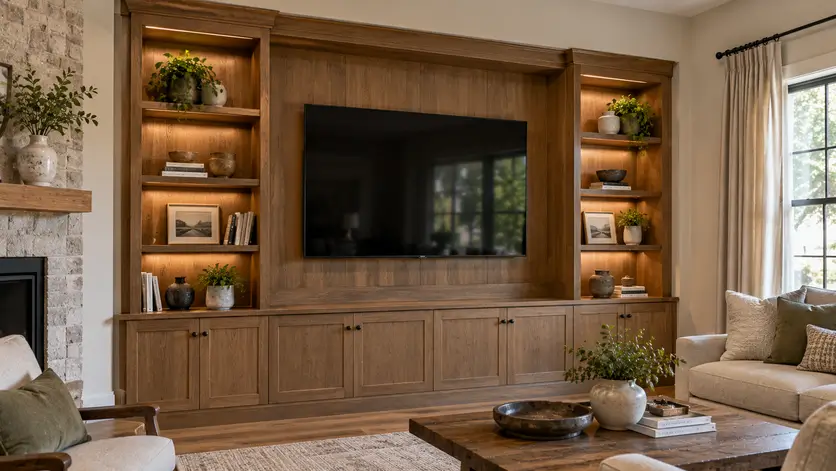
Millwork vs casework is a key distinction to understand when planning a renovation or new construction project. These terms may sound similar, but they refer to very different approaches in design and fabrication. Millwork offers custom, built-to-spec features, while casework typically involves modular, prefabricated components.
Transform your home with local millwork services that add elegance and function. Professional millwork ensures lasting quality and style. Discover customized millwork designs tailored to your space. From expert cabinet designs to local cabinet design and installation, every detail is crafted with precision, beauty, and attention to your needs.
Knowing the difference helps you align your choices with your goals, whether you’re prioritizing budget, timeline, or aesthetics. This guide clearly breaks down the comparison, allowing you to make informed decisions that suit your space and project needs with confidence.
Understanding Millwork vs Casework
Millwork refers to custom architectural elements that add unique flair, while casework consists of pre-built or modular cabinetry designed for efficiency. Knowing these distinctions can help you make informed choices for your project.
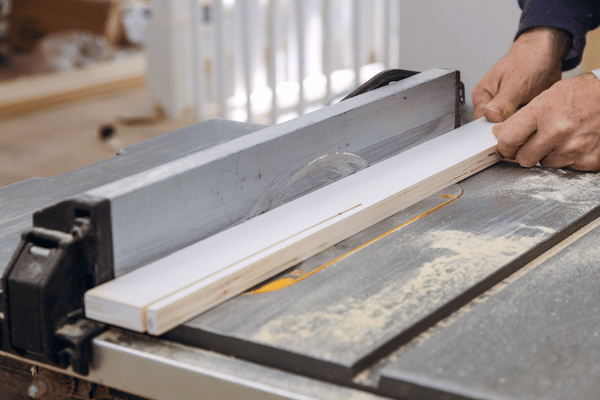
What is millwork? (custom architectural elements)
Millwork encompasses a range of custom architectural elements that elevate the design and functionality of a space. Unlike casework cabinets, which are often pre-built, architectural millwork is tailored to fit your specific needs. When choosing a millwork company, consider how their designs can enhance your project, as the distinction between millwork vs casework greatly impacts your overall aesthetic and utility.
What is casework?
Casework refers to pre-built or modular cabinetry that’s designed for efficiency and practicality. You’ll find it in kitchens, bathrooms, and offices, offering a streamlined approach to storage. Unlike custom millwork, casework often comes in standard sizes and finishes, making it quicker to install and more budget-friendly. This versatility allows you to maximize your space without sacrificing style.
Key Differences Between Millwork and Casework
Millwork and casework may seem similar, but they differ significantly in customization, construction, and application. Understanding these distinctions helps clarify their roles in design and functionality.
Customization levels
Customization levels play an essential role in distinguishing millwork from casework. With millwork, you can often tailor designs to your specific needs, ensuring a unique look that perfectly suits your space. On the other hand, casework typically offers more standardized options, focusing on functionality and efficiency. If you want personalized solutions, millwork is usually the better choice for your project.
Materials and finishes
Choosing the right materials and finishes can significantly impact the overall look and durability of your project. Millwork often uses high-quality hardwoods, veneers, or laminates, providing a luxurious feel. In contrast, casework typically employs plywood or MDF with a variety of finishes. Consider your project’s purpose and environment to select materials that offer both aesthetic appeal and lasting performance.
Installation process
The installation process for millwork and casework differs considerably, impacting both time and complexity. Millwork often requires specialized tools and skilled labor for precise fitting, as it’s custom-made on-site. In contrast, casework is generally pre-manufactured, allowing for quicker assembly. This means you might find casework easier and faster to install, especially in larger projects where efficiency is vital.
Cost considerations
When considering cost, you’ll find millwork and casework present two distinct financial landscapes. Millwork often comes at a premium due to its custom nature and high level of craftsmanship, while casework typically offers more budget-friendly, ready-to-assemble options. Your choice will depend on your project’s needs, aesthetic preferences, and budget constraints, so weigh these factors carefully to make the best decision.
Examples of Millwork and Casework in Homes and Businesses
From custom staircases to modular cabinets, millwork and casework appear in countless residential and commercial settings. Their uses reflect distinct design priorities and installation methods.
Common uses for architectural millwork
Exploring architectural millwork reveals its versatility in both residential and commercial settings. You’ll find it in custom molding, decorative trim, and elegant door frames that enhance aesthetics. In commercial spaces, it often appears in reception desks, display cases, and wall paneling, providing functionality and style. Whether you’re renovating or building, millwork adds a unique touch that elevates the overall design.
Where casework cabinets are typically used
Casework cabinets play a crucial role in both residential and commercial settings, providing practical storage solutions and enhancing the overall design. You’ll find them in kitchens, bathrooms, and home offices, providing organization and style. In businesses, they’re often used in retail spaces, medical offices, and schools, ensuring functionality while maintaining a professional appearance. Their versatility makes them a popular choice across various environments.
Pros and Cons of Millwork vs Casework
Choosing between millwork and casework involves weighing factors like cost, flexibility, durability, and aesthetics. Each option offers unique advantages and potential drawbacks depending on your project goals.
Advantages of millwork (custom, durable, aesthetic)
Millwork offers a high level of customization and craftsmanship, making it an ideal choice for projects that demand precision and individuality. Key advantages include:
- Tailored design – Millwork can be customized to match exact dimensions, styles, and functional needs.
- Long-term durability – Built from quality materials, it withstands wear and tear over time.
- Unique aesthetics – Adds character and elegance that mass-produced options often lack.
- Material flexibility – Available in various woods and finishes to suit any space.
- Value enhancement – Elevates property appeal with bespoke detailing and timeless design.
Advantages of casework (affordable, quick installation)
Casework is a practical solution for projects that prioritize speed and budget without sacrificing functionality. Its benefits include:
- Cost-effectiveness – Prefabricated components reduce material and labor expenses.
- Quick installation – Standard sizing and modular design allow for faster setup.
- Consistency – Uniform pieces ensure a clean, professional finish.
- Availability – Easily sourced from suppliers with minimal lead time.
- Low maintenance – Durable surfaces require little upkeep over time.
- Scalability – Ideal for large-scale projects like offices, clinics, or schools.
Limitations of each
Understanding the limitations of both millwork and casework is crucial for selecting the right option for your project. Millwork can be more expensive and time-consuming, while casework may lack customization and durability. With casework, you might sacrifice aesthetics for affordability. On the other hand, millwork’s bespoke nature can lead to higher costs. Weigh these factors carefully to determine which one suits your needs best.
How to Choose Between Millwork and Casework
Selecting the right fit depends on your budget, timeline, and design needs. Knowing when to opt for custom millwork or standardized casework can streamline planning and execution.
Factors to consider (budget, project scope, design goals)
Often, choosing between millwork and casework hinges on several key factors, including your budget, project scope, and design goals. Consider how much you’re willing to spend, as millwork tends to be more expensive due to the customization required. Also, consider the project’s size and complexity. Finally, make sure your design goals align with the aesthetic and functional qualities each option offers.
When to call a professional millwork company
Choosing the right time to call a professional millwork contractor can make all the difference in your project’s outcome. If your design requires custom pieces, intricate details, or high-quality finishes, it’s best to consult experts. Additionally, if you’re unsure about materials or installation, seeking professional advice ensures your vision is executed flawlessly and meets all your expectations.
Closing Thoughts – Local Cabinet Design and Installation
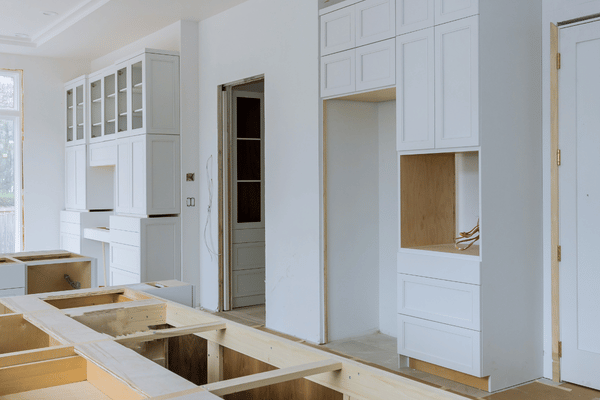
In conclusion, understanding the differences between millwork and casework can significantly impact your design and construction choices. Millwork offers custom, high-end finishes that enhance aesthetics, while casework provides functional, modular solutions. By knowing what each entails, you can make informed decisions, ensuring your project meets both your style and practical needs. Choose wisely to achieve the best results for your space.
Local millwork services bring craftsmanship to life. With professional millwork, homeowners enjoy timeless appeal and durability. Customized millwork designs enhance both traditional and modern spaces. Rely on expert cabinet designs and trusted local cabinet design and installation to create beautiful storage solutions that elevate your home’s comfort, style, and value.
Need help deciding between millwork vs casework? Contact our expert millwork company today to bring your project vision to life with custom solutions.
Frequently Asked Questions
1. Can Millwork and Casework Be Customized for Specific Designs?
You can customize both millwork and casework to fit your specific designs. Whether it’s dimensions, materials, or finishes, you’ve got the flexibility to create exactly what you envision for your space.
2. What Materials Are Commonly Used in Millwork and Casework?
You’ll often find wood, plywood, and MDF as standard materials in both millwork and casework. Each offers unique benefits, so you can choose based on your project’s specific needs and aesthetic preferences.
3. How Long Does Installation Typically Take for Each?
When you’re installing, millwork usually takes a bit longer due to its custom nature, often requiring a few days. Casework, being more modular, often installs in just a few hours, depending on complexity.
4. Are Millwork and Casework Environmentally Friendly Options?
When considering environmental friendliness, you’ll find that both options can be sustainable. By choosing responsibly sourced materials and eco-friendly finishes, you can minimize your carbon footprint while enhancing the aesthetics and functionality of your space.
5. What Are the Maintenance Requirements for Millwork and Casework?
You’ll find that millwork typically requires more regular upkeep, like polishing and repainting, while casework often just needs occasional cleaning. Both require attention, but your choice may influence the level of maintenance you’re willing to commit.