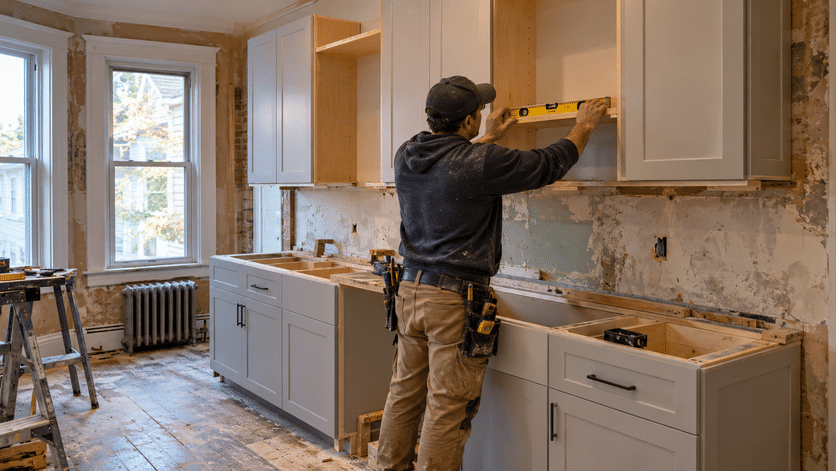
If you’re exploring custom millwork in Greater Boston and wondering “How much does millwork cost?”, you’ll quickly notice how widely prices can vary. From elegant built-ins to detailed trim work, costs depend on design complexity, materials, and craftsmanship.
Understanding what drives custom millwork cost helps you plan effectively and avoid surprises. Whether you’re renovating or building new, it’s worth learning how to align your vision with your budget.
Enhance your home or business with local millwork services designed for precision and beauty. Offering expert millwork services in Greater Boston, clients can request detailed millwork estimates for Boston projects. When searching for a professional millwork contractor near me, trust experienced craftsmen dedicated to quality finishes and lasting results.
Let’s break down the key factors that shape your investment.
Understanding Custom Millwork
Custom millwork refers to precision-crafted woodwork tailored to fit specific spaces and design preferences in homes or businesses. It includes elements like cabinetry, trim, shelving, and built-ins. When evaluating the cost of millwork, it’s important to consult experienced professionals who can guide you through design choices and pricing structures.
Millwork cost per square foot is often used as a pricing standard, though actual costs vary depending on design complexity and materials. Understanding these variables helps you make informed decisions, plan effectively, and ensure your project aligns with your overall budget and expectations.
Factors That Affect Custom Millwork Cost
Custom millwork pricing depends on several key elements, including design complexity, material selection, labor, and installation. Understanding these factors helps you anticipate costs and make informed decisions for your project.
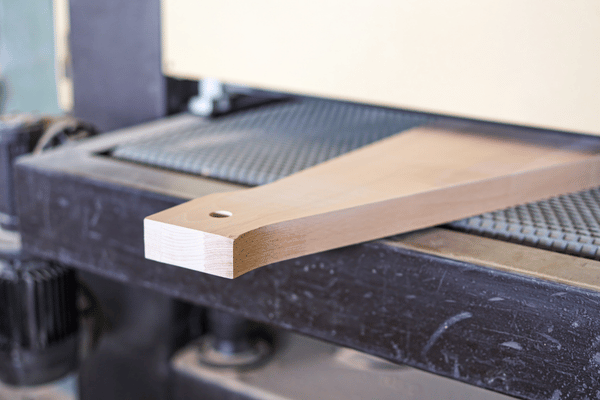
Type of Project
Understanding the type of project you’re tackling is essential to estimating custom millwork costs. Whether you’re renovating a kitchen, adding built-ins, or creating a custom office, each project type has unique requirements. Larger or more intricate designs typically demand more time and skill, which can drive up costs. Consider your project scope carefully to get an accurate estimate for your custom millwork needs.
Materials Used
The choice of materials plays an essential role in determining the cost of your custom millwork project. High-quality woods like cherry or walnut will increase expenses, while more affordable options like pine or MDF can keep costs down. Additionally, specialty finishes and treatments can add to your budget. Ultimately, selecting the right materials aligns with your aesthetic preferences and financial considerations.
Design Complexity
Selecting materials is just one piece of the puzzle; design complexity can greatly impact the overall cost of your custom millwork. Intricate designs, custom detailing, and unique features require more time, skill, and labor, driving up expenses. If you opt for elaborate carvings or specialized shapes, be prepared for a higher price tag. Balancing aesthetics with budget is essential for your project.
Size and Scope
When planning your custom millwork project, size and scope play a crucial role in determining costs. Larger projects typically require more materials and labor, which can elevate your budget. Additionally, the complexity of the design can also affect how long it takes to complete, ultimately impacting overall expenses. Consider these factors carefully to guarantee your project stays within your financial limits.
Finishes and Hardware
Finishes and hardware greatly influence the overall custom millwork cost. The choice of materials, such as paint, stain, or varnish, affects pricing, as do the types of hardware you select, like knobs, hinges, and pulls. Higher-quality finishes and designer hardware can elevate the look and durability, but they also increase your budget. Consider your style and functionality needs when making these choices.
Labor and Installation
The quality of labor and installation plays a significant role in determining the overall cost of your custom millwork project. Skilled craftsmen guarantee precise cuts and seamless finishes, which can elevate your design. Additionally, the complexity of the installation process affects labor costs. When you invest in experienced professionals, you’re likely to achieve a higher-quality outcome that reflects your vision.
Average Cost of Custom Millwork
Custom millwork adds lasting value and style to your space, but budgeting starts with understanding the average cost. In Greater Boston, prices often range from $50 to $150 per linear foot, depending on design complexity, materials, and craftsmanship. Premium options may exceed this range.
So, how much does custom millwork cost for your specific project? Knowing the factors behind these numbers helps you plan wisely and choose solutions that match your goals, style, and budget.
How to Budget for a Millwork Project
Planning a millwork project starts with a realistic budget. From initial design to final installation, knowing how to allocate costs ensures smoother execution and helps avoid unexpected financial setbacks.
Discover custom design and craftsmanship with local millwork services trusted across the region. Providing reliable millwork services in Greater Boston, homeowners can easily request millwork estimates for Boston renovations. Choose a professional millwork contractor near me who delivers high-quality woodwork, attention to detail, and elegant, durable finishes for any project.
Requesting Detailed Estimates
Getting a handle on your budget for a millwork project starts with requesting detailed estimates from local professionals. Reach out to at least three contractors to compare their pricing and services. Be clear about your project’s specifics, including dimensions and design preferences. This helps guarantee each estimate is accurate and allows you to make informed decisions regarding your budget and timeline.
Choosing Materials Wisely
Selecting the right materials is essential for staying within your millwork budget. Consider the balance between quality and cost; more expensive materials often last longer and require less maintenance. Research options like hardwood versus engineered wood, and don’t forget to factor in finishing costs. By making informed choices, you’ll maximize your investment while achieving the desired aesthetic for your space.
Planning for Design Revisions
Even with the best material choices, design revisions are a common part of any millwork project. To budget effectively, set aside 10-15% of your total project cost for unexpected changes. Communicate openly with your designer about your vision and be prepared for adjustments. This proactive approach helps you stay flexible and guarantees your final product aligns with your expectations.
Why Work with a Professional Millwork Company
Partnering with a professional millwork company ensures quality craftsmanship, accurate pricing, and expert guidance. Their experience helps bring your vision to life while minimizing costly errors and delays.
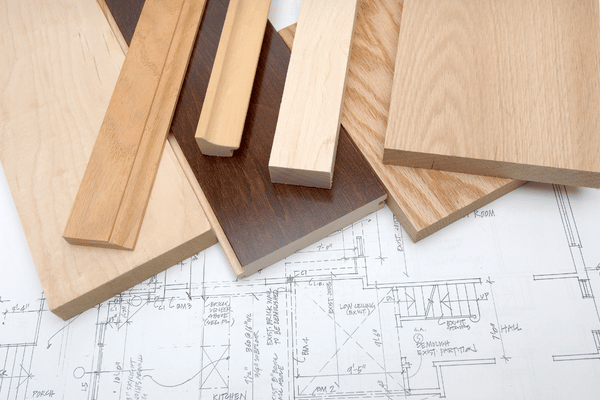
Precision Fabrication
Working with expert millworkers ensures precision fabrication that elevates your project’s quality and aesthetic. You’ll benefit from skilled craftsmen who use advanced tools and techniques, ensuring every detail meets your specifications. This attention to detail minimizes errors and maximizes durability, giving you confidence in your investment. With expert precision, your custom pieces will stand out and enhance your space considerably.
Collaborative Design
Partnering with skilled millwork engineers allows your ideas to evolve through expert guidance and creative input. By combining your vision with their craftsmanship, you’ll achieve custom designs that balance function and style, resulting in a cohesive, high-quality finish that perfectly complements your space.
Local Expertise
Choosing to collaborate with a professional millwork company brings local expertise that can greatly enhance your project. You’ll benefit from their knowledge of the Greater Boston area, including its architectural styles and building codes. This guarantees your custom millwork not only meets your vision but also aligns with local regulations, saving you time and potential headaches in the long run.
Bring Your Vision to Life with FabWright Origins
Turning your ideas into a beautifully crafted reality is what we do best. At FabWright Origins, we take pride in designing and building millwork that captures your personal style while maintaining exceptional quality.
Our team helps you navigate custom millwork cost with transparency and creativity, ensuring stunning, functional results that reflect your individuality. From concept to completion, every detail is tailored to you. Discover how personalized craftsmanship can elevate your home. Let’s bring your vision to life together!
Ready to elevate your space with custom millwork? Contact FabWright Origins today to discuss your design and request a personalized quote from our expert millworkers.
Frequently Asked Questions
1. What Types of Wood Are Commonly Used in Custom Millwork?
When considering custom millwork, you’ll often find popular woods like oak, maple, cherry, and walnut. Each type offers unique characteristics, so choose based on your project’s aesthetic and durability needs for the best results.
2. How Long Does a Custom Millwork Project Typically Take?
A custom millwork project usually takes two to eight weeks, depending on complexity and materials. You’ll need to factor in design time, fabrication, and installation, ensuring everything meets your specific requirements and expectations.
3. Can I Get a Warranty on Custom Millwork Products?
Yes, you can often get a warranty on custom millwork products. It’s essential to ask your contractor about specific coverage details, as warranties may vary based on materials and craftsmanship. Always read the terms carefully.
4. Are There Eco-Friendly Options for Custom Millwork?
Yes, you can find eco-friendly options for custom millwork. Many suppliers offer sustainable materials like reclaimed wood or low-VOC finishes. You’ll contribute to a greener environment while enhancing your space’s beauty and uniqueness.
5. How Do I Maintain My Custom Millwork After Installation?
To maintain your custom millwork, regularly dust and clean with a soft cloth. Avoid harsh chemicals, and apply a wood conditioner or polish as needed. Inspect for damage and address any wear promptly to preserve its beauty.