Jemuel Stephenson
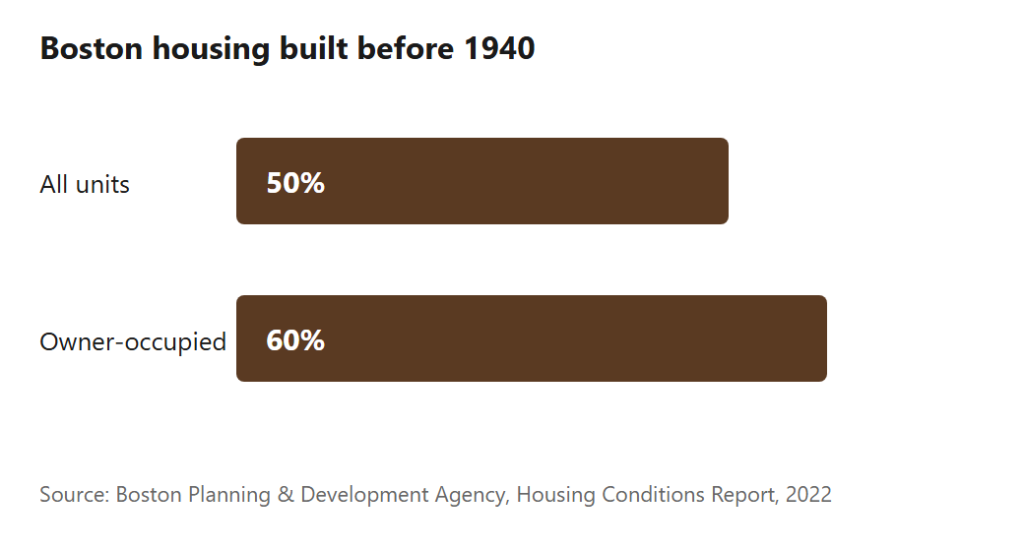
Boston is an old city, and its homes wear that age in their woodwork. About 50% of the city’s housing stock was built before 1940, and the number climbs higher for the homes people actually own. That means original millwork, crown molding, casings, wainscoting, built-ins, is everywhere. The hard part is keeping it intact, matching it when it’s damaged, and adding new work that doesn’t look new.
This guide walks through how period millwork in Boston gets restored, matched, and extended the right way.

Key Takeaways
- Roughly 50% of Boston’s housing was built before 1940, and 60% of owner-occupied homes (Boston Planning & Development Agency, 2022).
- A single surviving section of trim is usually enough to recreate an entire run using CAD modeling and CNC tooling.
- Restore original millwork that’s sound; replicate only what’s missing or damaged beyond repair.
- Matched species, profile, and finish are what make new work disappear next to 150-year-old trim.
Why is so much of Boston’s housing historic?
In 2026, Boston remains one of the oldest housing markets in the country. About 50% of the city’s total housing stock, and 60% of owner-occupied units, was built before 1940, according to the Boston Planning & Development Agency’s housing conditions reporting. The Back Bay alone was filled and built out between 1859 and 1900, designed from the start as blocks of grand Victorian townhomes.
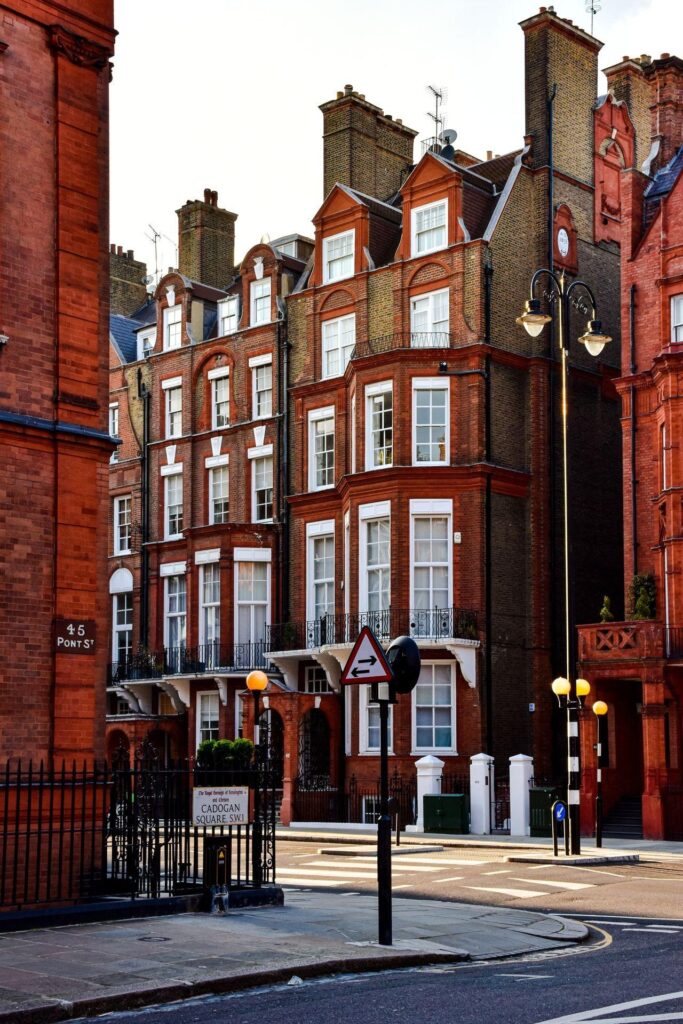
That history shows up in neighborhoods like the South End, Beacon Hill, Back Bay, and the streetcar suburbs of Cambridge and Brookline. Brownstones came with detailed molding, deep casings, and plaster cornices. Triple-deckers and Federals carried their own trim vocabulary. Massachusetts has the highest share of pre-1940 homes of any state in the country, about 30% of its housing stock (Boston Agent Magazine, 2025), so this isn’t a niche problem here. It’s the baseline.
What makes historic millwork so hard to match?
Old millwork is hard to match because it wasn’t made the way new trim is made. Profiles were run with custom knives that no longer exist, often from old-growth lumber with tighter grain than anything at a modern yard. Layers of paint hide the real shape. And after a century of settling, the walls aren’t square anymore.
So you can’t just buy a stick of crown at a supplier and call it a match. The reveals will be wrong, the proportions slightly off, the wood species visibly different under stain. Victorian Boston homes were commonly trimmed in old-growth pine for paint-grade runs, with oak or mahogany in finer rooms. Recreating that look means reading the original carefully before cutting anything.
Should you restore or replace original trim?
Restore what’s intact and structurally sound, replicate only what’s missing or damaged past saving. Original millwork carries character and value that new work can’t fully buy back, so the goal is always to keep as much of it as possible. Stripping decades of paint, repairing splits, and refinishing usually beats wholesale replacement.
Replacement makes sense in specific cases: a run that’s rotted, a section lost in a past remodel, or a new addition with no original trim to keep. Even then, you’re replicating the existing language, not inventing a new one. The table below is roughly how we think through it on a walk-through.
| Condition of trim | Highly visible (parlor, entry) | Low visibility (closet, back hall) |
|---|---|---|
| Sound, just painted-over | Restore & refinish | Restore (or leave as-is) |
| Damaged but repairable | Repair, then blend | Repair |
| Missing / beyond repair | Replicate to match | Replace with close profile |
How do we match a historic millwork profile?
We reverse-engineer the profile from a surviving sample, model it in CAD, and CNC-cut a precise match. One clean section of the original is enough. We measure and scan it, rebuild the profile digitally, then cut new stock to the same shape in a matching species. It’s the old craft of profile matching, done to a tolerance hand tools couldn’t hold.
From our shop: On a recent brownstone, only one short run of original parlor casing had survived a 1980s renovation. We pulled the profile off that single piece, modeled it, and milled enough matching casing to finish the whole floor. Stood next to the original, you can’t tell which boards are 150 years old. That’s the bar.
This is where the engineering side of the shop earns its keep. We run the same CAD-to-CNC process, using Microvellum and Cabinet Vision, that we’d use on a modern kitchen, just pointed at a 19th-century profile. Most general contractors can’t replicate a custom profile at all; they substitute the closest stock trim and hope nobody looks closely. People look closely.
How do custom built-ins fit a historic home?
New built-ins should echo the home’s existing trim language, not fight it. A library wall, window seat, or fireplace surround reads as original when its reveals, base, and crown continue the lines already in the room. Match the proportions and the profile, and a brand-new built-in looks like it was always there.
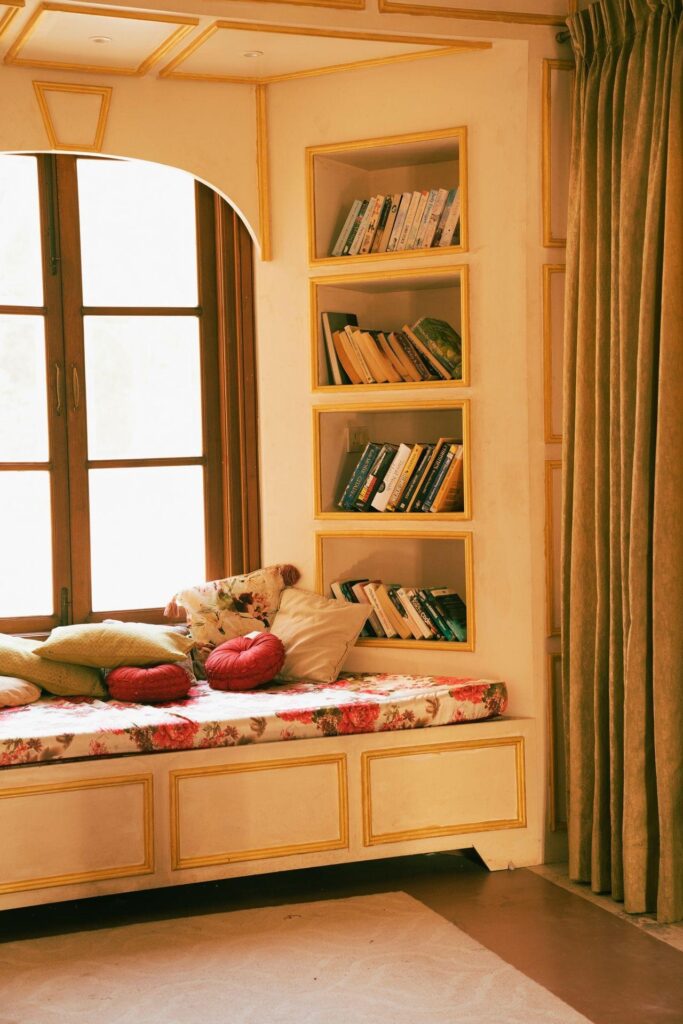
That’s the difference between custom built-ins designed for a historic home and stock cabinetry dropped into one. Stock units bring modern reveals and the wrong scale. Custom architectural millwork lets us carry the period detail straight into the new piece, same shadow lines, same species, same finish. The storage is modern; the look isn’t.
What does historic millwork work cost in Boston?
Profile-matched custom millwork costs more than stock trim, and it should, you’re paying for tooling, hardwood, and skilled labor, not a length of MDF. The biggest cost drivers are profile complexity, the species you’re matching, and how much restoration the existing trim needs before new work blends in.
Demand isn’t slowing, either. U.S. homeowners are on track to spend a record ~$524 billion on remodeling in early 2026, per the Harvard Joint Center for Housing Studies’ Leading Indicator of Remodeling Activity. In an old-home market like Boston, a lot of that lands on exactly this kind of work. For a fuller breakdown, see our guide on what custom millwork costs.
Own a historic or brownstone home in Greater Boston? Book a consultation and we’ll assess what to restore, what to match, and what it takes to do it right.
Frequently Asked Questions
Can you match millwork if only one piece survives?
Yes. A single clean section of the original profile is enough to recreate an entire run. We scan and measure that sample, rebuild the profile in CAD, and CNC-cut new stock to match. This is standard practice for the pre-1940 homes that make up roughly half of Boston’s housing (Boston Planning & Development Agency, 2022).
What wood were Victorian Boston homes trimmed in?
Most Victorian-era Boston homes used old-growth pine for paint-grade trim, with oak or mahogany reserved for finer rooms and stair work. Old-growth lumber has tighter grain than modern equivalents, which is one reason matching it takes care in species selection and finishing rather than an off-the-shelf substitute.
Will new millwork look obvious next to the original?
Not if the species, profile, and finish are matched correctly. The common giveaways, wrong reveals, mismatched grain, off proportions, all come from substituting stock trim instead of replicating the real profile. Matched custom work milled from the original profile blends in well enough that it’s hard to tell old from new.
Do you work in Boston’s historic districts?
Yes. We work across Greater Boston, including the historic neighborhoods of Back Bay, Beacon Hill, and the South End. Landmark districts can carry review requirements for exterior changes, so we factor any commission considerations into the plan before fabrication begins.
Conclusion
Boston’s homes are old by design, and their millwork is a big part of what makes them worth owning. The right approach is consistent: restore the original where it’s sound, replicate only what’s missing, and match species, profile, and finish so new work disappears into old.
- Half of Boston’s housing predates 1940, original millwork is the norm, not the exception.
- One surviving sample is enough to recreate a full run via CAD and CNC.
- Custom built-ins should continue the home’s existing trim language.
If you’re weighing finishes for new cabinetry in a period home, our guide on paint-grade vs. stain-grade cabinetry covers which look fits historic interiors. When you’re ready, start a conversation with our team.
Sources
- Boston Planning & Development Agency, Boston Housing Conditions & Real Estate Trends Report 2022, retrieved 2026-06-17, https://www.bostonplans.org/
- Boston Agent Magazine, Massachusetts has more pre-1940 houses than most states, retrieved 2026-06-17, https://bostonagentmagazine.com/2025/06/10/massachusetts-old-homes/
- Harvard Joint Center for Housing Studies, Remodeling Growth Set to Downshift in Late 2026 (Leading Indicator of Remodeling Activity), retrieved 2026-06-17, https://www.jchs.harvard.edu/press-releases/remodeling-growth-set-downshift-late-2026