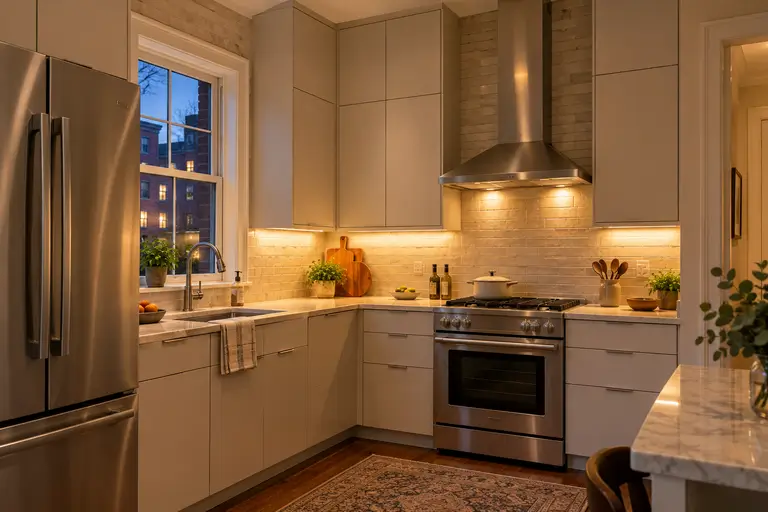
Millwork plays a key role in shaping the look and character of interior spaces. From crown molding and stair railings to mantels and built-in storage, these details influence both style and function. Many Boston homeowners turn to millwork to highlight architectural features, improve layouts, and add long-term value. To fully understand its impact, it helps to define millwork and how it differs from other woodwork clearly.
By exploring its types, fabrication process, and unique benefits, you can see how customized wood elements transform raw materials into features that elevate any home or business environment.
What Does Millwork Mean?
Millwork refers to crafted wood elements designed to enhance a building’s interior or exterior. It blends function and style, shaping spaces with detail, proportion, and character that reflect personal or architectural vision.

Define Millwork-Simplifed
Millwork refers to wood components crafted in a workshop and installed in homes or businesses. Common examples include trims, moldings, mantels, and built-in shelving. Unlike stock or prefabricated furniture, millwork is custom-made to fit the exact dimensions of a space, ensuring both precision and a seamless finish.
Difference Between Millwork and Casework
Millwork is custom-designed to suit a specific project, while casework typically refers to factory-made items such as cabinets or pre-assembled shelving. Casework is limited to standard sizes, whereas architectural woodwork focuses on customization. This distinction explains why millwork blends naturally with interiors and often delivers a more polished appearance.
Common Millwork Examples in Homes
In residential spaces, millwork includes crown molding, wainscoting, stair railings, and fireplace mantels. These features serve both decorative and functional purposes, enhancing architectural style while adding everyday usability. Whether subtle detailing or bold focal points, millwork elements bring character and refinement to homes in ways that mass-produced items cannot replicate.
Why Architectural Millwork Matters in Boston Homes
In Boston, architectural millwork connects craftsmanship with the city’s rich design heritage. It adds depth, authenticity, and value, complementing both historic charm and modern aesthetics while creating spaces that feel intentional and distinctive.
For quality Boston millwork services, trust our local architectural millwork contractors to deliver precision and beauty. We provide custom design for millwork that elevates any space. Wondering what is millwork? It includes woodwork like cabinets, molding, and trim designed to enhance both function and style in your home.
Preserving Charm in Historic Boston Brownstones
Many brownstones and historic properties feature intricate custom woodwork that reflects the craftsmanship of past eras. Updating or restoring these elements keeps the charm intact while modernizing the home for today’s needs.
Enhancing Modern Homes in Newton and Wellesley
Newer properties in suburbs like Newton and Wellesley often benefit from sleek millwork designs. Clean lines, built-in shelving, and contemporary finishes help homeowners maximize space without sacrificing style.
Adding Value and Style With Custom Millwork
Custom details make a home feel unique and high-end. When you define millwork in this context, it becomes clear why it adds resale value. Buyers often notice thoughtful woodwork, making it a worthwhile investment for homeowners planning future sales.
The Millwork Fabrication Process
Millwork fabrication transforms raw materials into finished design elements through precise planning, skilled craftsmanship, and quality control. Each step ensures the final product meets aesthetic goals, functional needs, and long‑lasting performance standards.
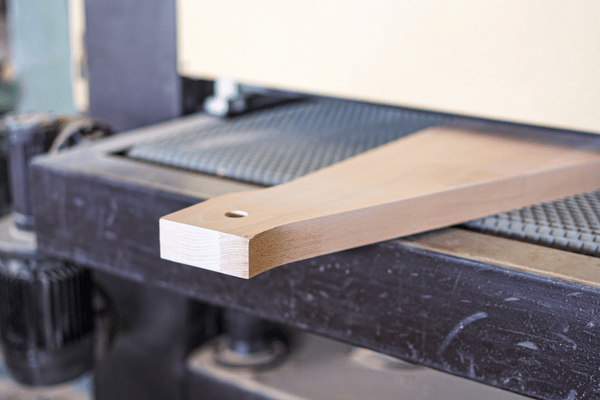
Design and Material Selection
Millwork projects begin with planning. Homeowners collaborate with designers to choose layouts, wood species, and finishes. This step ensures the final product reflects personal taste while maintaining durability.
Cutting and Crafting the Pieces
During millwork crafting, raw materials are cut, shaped, and detailed in a workshop. Advanced tools and experienced hands work together to achieve precision. This stage transforms ordinary wood into architectural woodwork that matches exact specifications.
Finishing and Installation
The last stage involves sanding, staining, painting, and sealing the pieces. Once complete, professionals install the millwork, ensuring it fits seamlessly. This process highlights why woodwork fabrication requires both skill and attention to detail.
Custom Millwork vs. Store-Bought Woodwork
Custom millwork offers tailored design, fit, and finish, while store‑bought woodwork provides ready‑made convenience. Each option carries unique benefits, influencing style, quality, and how well the final result matches your vision.
Benefits of Choosing a Custom Millwork Company
Partnering with a custom millwork company gives homeowners access to designs created specifically for their space. Unlike store-bought woodwork that often comes in standard sizes, custom solutions fit seamlessly into unique layouts. This level of personalization ensures lasting quality, enhances architectural character, and sets your home apart from others.
When to Choose Specialty Millwork Over Standard Trim
Specialty millwork is ideal for homeowners who want design features that make a statement, such as intricate mantels, custom railings, or decorative staircases. Unlike standard trim or basic baseboards, these details elevate interiors by adding character and style. The choice ultimately depends on project goals, design preferences, and available budget.
Specialty Millwork Options for Your Boston Home
Unique design features can elevate a home’s personality. From intricate details to bold statements, these elements highlight architecture, enhance function, and create a truly memorable living environment.
Our Boston millwork services are handled by experienced local architectural millwork contractors who specialize in detail and craftsmanship. Whether you need a custom design for millwork or simply want to understand what is millwork, our experts guide you through every step, ensuring beautiful, functional, and lasting woodwork solutions.
Custom Stair Railings and Balusters
Railings and balusters not only provide safety but also serve as design focal points. They can be tailored to match a home’s architectural character, blending style with function.
Fireplace Mantels and Surrounds
Fireplace mantels are classic examples of architectural woodwork. They frame the hearth and become a centerpiece in living rooms. With millwork manufacturing, homeowners can create mantels that match traditional or modern aesthetics.
Crown Molding and Ceiling Details
Crown molding adds a polished finish between walls and ceilings. Specialty versions may include layered designs or intricate carvings, offering elegance that enhances both large and small rooms.
Built-In Bookcases and Storage Solutions
Built-in shelving is a practical example of custom millwork. It maximizes storage while blending seamlessly into walls. This feature is particularly popular in Boston’s smaller homes, where space is limited.
How to Choose the Right Millwork Contractor in Boston
Selecting the right millwork contractor involves striking a balance between skill, experience, and effective communication. The right professional ensures your vision is understood, materials are handled expertly, and the finished work meets both aesthetic and functional expectations.
What to Look for in a Custom Millwork Company
When hiring a custom millwork company, focus on proven experience in millwork fabrication and design. A reliable contractor provides clear communication, detailed project plans, and skilled craftsmanship. These qualities ensure your woodwork not only meets expectations but also enhances your home’s functionality and overall style.
Importance of Experience With New England Architecture
New England homes often feature historic layouts, detailed trims, and unique architectural challenges. A contractor with experience in this region understands how to preserve traditional character while incorporating modern standards. This knowledge ensures millwork projects respect the home’s history while still offering long-lasting value and updated functionality.
Checking Portfolios and Reviews Before Hiring
Always review a company’s past work and customer feedback before hiring. Portfolios reveal the style and quality of craftsmanship, while reviews highlight reliability and client satisfaction. This step helps confirm the custom millwork company can deliver results aligned with your vision and maintain professional standards throughout the project.
Final Thoughts- The Impact of Architectural Millwork
Millwork is more than decorative trim. It is also a way to personalize a home and highlight its best features. When you define millwork, it becomes clear how it sets the tone for interiors, whether restoring a historic brownstone or upgrading a modern house. By exploring fabrication, specialty options, and the benefits of hiring professional millwork engineers, Boston homeowners can see how these details add both beauty and value.
Choose professional Boston millwork services for tailored results. Our local architectural millwork contractors create elegance with a custom design for millwork that fits your vision. If you’re asking, what is millwork, it’s the fine wood detailing—moldings, doors, trim—that transforms ordinary spaces into sophisticated and timeless interiors.
Looking to upgrade your space with high-end details? Contact our custom millwork company today for expert architectural woodwork and fabrication services.
FAQs – Defining Millwork
1. What is included in millwork?
Millwork encompasses a range of wood details, including moldings, trims, mantels, stair railings, shelving, and built-in units. These pieces are crafted in a workshop to fit specific spaces. Unlike standard products, millwork is custom-made, ensuring a seamless blend with the home’s architecture and design.
2. How is millwork different from cabinetry?
Cabinetry is usually prefabricated and comes in standard sizes, while architectural woodwork is designed specifically for each home. Millwork covers more than just cabinets, including trims and custom features. It’s flexible, detailed, and integrates better with existing architecture, offering a tailored finish that factory-made cabinetry cannot match.
3. Is millwork expensive in Boston compared to standard trim?
Custom millwork generally costs more than standard trim, particularly in Boston, where historic homes often require detailed craftsmanship. While the initial price is higher, specialty millwork provides greater durability, design flexibility, and long-term value, making it a worthwhile investment for homeowners seeking quality finishes and unique details.
4. What materials are best for millwork in New England homes?
Hardwoods such as oak, maple, and cherry are popular for millwork in New England. These woods hold up well against the region’s climate and offer a lasting finish. Their strength and natural beauty make them ideal choices for trims, mantels, and built-in features in both modern and historic homes.
5. Can specialty millwork improve home value?
Yes, specialty millwork can significantly enhance home value by adding unique, high-quality details. Features like custom crown molding, fireplace surrounds, or built-in bookcases elevate interiors and make spaces more attractive to buyers. Beyond resale benefits, these elements improve functionality and give homes a polished, timeless appearance.