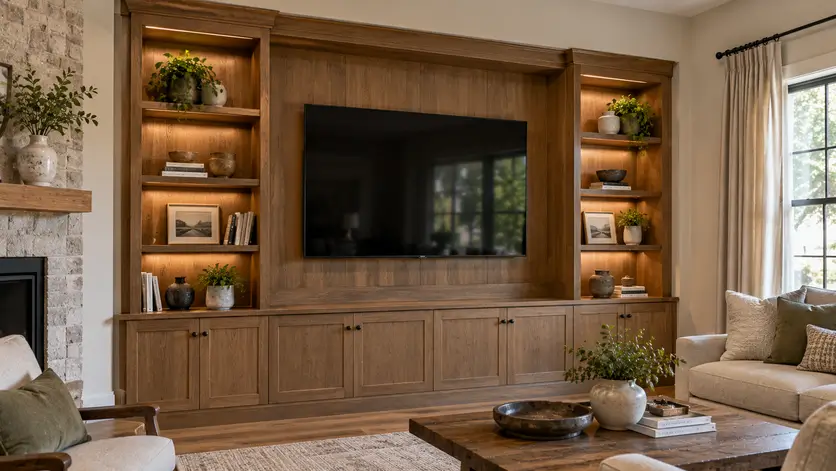
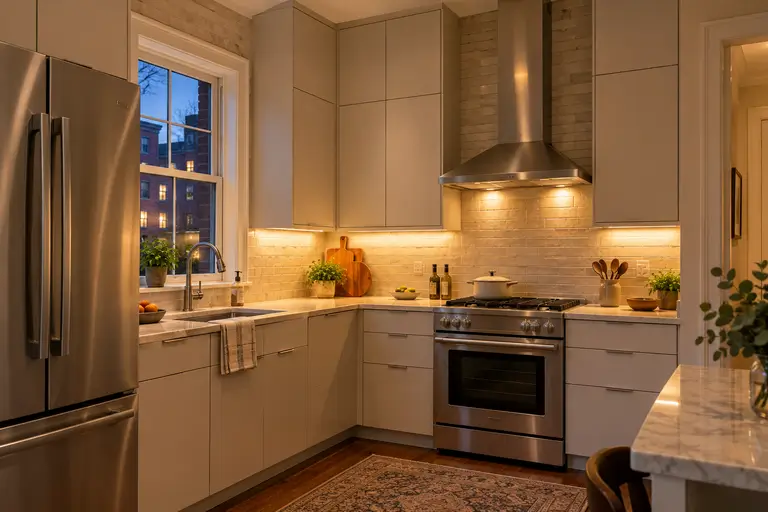
Custom architectural woodwork plays an essential role in shaping the look, function, and identity of professional spaces. From offices to hospitality environments, these custom interior elements support daily operations while reinforcing brand presence. These are more than decorative features. Millwork solutions are designed for durability, efficiency, and visual consistency.
Understanding how commercial architectural millwork fits into overall design helps businesses make informed decisions when planning or updating their interior spaces.
Commercial Interior MillworkDefined
Commercial interior millwork refers to custom woodwork elements designed to enhance functionality and aesthetics in business spaces. From cabinetry and doors to trim and paneling, these components create polished, professional environments. Unlike residential applications, commercial millwork emphasizes durability, scalability, and efficiency, ensuring spaces withstand heavy use while maintaining visual appeal.
By integrating quality materials and craftsmanship, millwork transforms interiors into cohesive, purposeful designs that reflect brand identity. The role of millwork in construction is vital, blending practicality with style to deliver lasting value and welcoming experiences for clients and visitors.
Where Commercial Interior Millwork Is Used
Commercial wood fabrication is used in a diverse range of settings, from corporate offices to retail spaces and hospitality venues. This versatility not only improves aesthetics but also optimizes functionality, making it essential for creating engaging environments that resonate with clients and customers alike.
Offices and Corporate Spaces
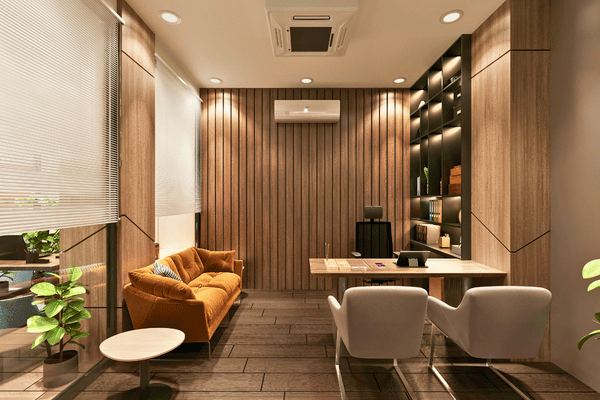
Creating dynamic offices and corporate spaces often hinges on the thoughtful integration of interior millwork. You can enhance functionality and aesthetics by incorporating custom cabinetry, workstations, and partitions. This approach not only maximizes space but also promotes collaboration and productivity. By choosing the right design and materials, you’ll foster an inviting environment that reflects your company’s identity and values.
Retail Stores and Showrooms
When designing retail stores and showrooms, effective use of millwork can significantly elevate the shopping experience. Custom fixtures, display cases, and shelving not only enhance aesthetics, but also improve functionality. You’ll create an inviting atmosphere that encourages customers to explore. Thoughtfully designed millwork can showcase products beautifully, helping you communicate your brand identity while maximizing the available space.
Restaurants and Hospitality
Custom wood interior features can transform restaurants and hospitality spaces into inviting destinations. Custom cabinetry, stylish bar counters, and elegant dining fixtures enhance the atmosphere, creating memorable experiences for your guests. Quality materials and expert craftsmanship not only elevate aesthetics, but also guarantee durability. By investing in thoughtful millwork design, you’ll set your establishment apart and encourage repeat visits.
Healthcare and Educational Facilities
Custom interior millwork isn’t just for restaurants and hospitality spaces; it also plays a vital role in healthcare and educational facilities. In hospitals, millwork creates functional and welcoming environments for patients and staff. In schools, it enhances learning spaces with durable cabinetry and desks. You’ll find that thoughtful millwork not only improves aesthetics, but also boosts functionality and safety in these essential settings.
Common Types of Interior Millwork
Interior millwork includes a range of custom-built elements that serve both functional and aesthetic purposes. Understanding the most common types helps clarify how millwork can improve organization, durability, and overall design in commercial spaces.
Commercial Cabinets and Casework
Commercial cabinets and casework play an essential role in enhancing functionality and aesthetics in various business environments. Consider these custom options to ensure they meet your business requirements:
- Storage, Functionality, and Aesthetics: Balancing these elements is essential to creating interior spaces that function well and look intentional. Thoughtful design ensures storage solutions support daily use without visually overwhelming the space. When these elements are planned together, interiors feel organized, efficient, and visually cohesive.
- Built-In vs. Modular Solutions: Choosing between built-in and modular solutions depends on how a space may change over time. Built-ins provide a seamless, custom look that feels permanent and polished. Modular options offer flexibility, allowing spaces to adapt more easily to growth, layout changes, or future updates without requiring major reconstruction or redesign.
Reception Desks and Feature Walls
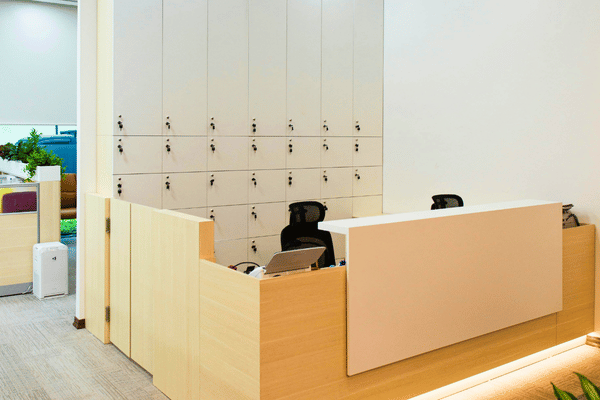
Reception desks and feature walls are often the first elements people notice in a commercial space, setting the tone for both function and branding. Custom millwork allows these features to balance durability with visual impact while supporting daily use. FabWright Origins designs and fabricates reception desks and feature walls that are tailored to each space, combining craftsmanship with materials and layouts suited for high-traffic commercial environments.
Wall Paneling, Ceilings, and Architectural Details
Wall paneling, ceilings, and architectural details play a significant role in commercial millwork design, influencing both aesthetics and performance. These elements help define the space, adding depth, texture, and visual interest while supporting functionality. Thoughtfully designed millwork can also improve acoustics, reduce noise, and create a more comfortable environment for daily use.
Beyond appearance, custom wall and ceiling details reinforce brand identity and create a cohesive, intentional atmosphere. When appropriately integrated, architectural millwork enhances flow, supports productivity, and leaves a lasting impression on employees, clients, and visitors throughout professional spaces.
Commercial Millwork Design Process Explained
Understanding the commercial millwork design process helps keep projects organized, efficient, and visually cohesive. Each phase builds intentionally on the last, creating a structured path that aligns functionality, aesthetics, timelines, and overall project goals from start to finish.
Concept and Space Planning
This phase defines project goals while evaluating layout, flow, and accessibility. Careful space planning ensures the millwork supports daily operations, enhances user experience, and reflects brand identity while maximizing efficiency and visual balance.
Design Development
Design development transforms ideas into clear, workable plans. Designers create detailed scaled drawings, elevations, and specifications that guide decisions, align expectations, and ensure all millwork elements integrate seamlessly within the overall interior design.
Material Selection
Materials are chosen based on durability, maintenance needs, and visual appeal. Selecting appropriate finishes and substrates ensures the millwork withstands daily commercial use while supporting long-term performance and a polished appearance.
Shop Drawings
Shop drawings provide precise construction details, including dimensions, materials, and finishes. These technical documents help prevent fabrication errors, improve accuracy, and ensure each piece fits correctly within the intended space.
Fabrication and Installation Coordination
This phase focuses on execution through close collaboration between designers, fabricators, and installers. Coordinated scheduling and communication ensure millwork is built accurately, installed efficiently, and completed with a cohesive, professional finish.
Commercial Interior Millwork vs. Standard Casework
Commercial architectural millwork and standard casework are often seen as synonymous, but they serve different purposes. Commercial millwork focuses on custom craftsmanship, detailed finishes, and architectural features tailored to a brand and space, typically created by an experienced commercial cabinet maker. Standard casework, on the other hand, is usually mass-produced and prioritizes basic functionality over design.
Custom millwork allows greater flexibility in size, materials, and layout, helping businesses create distinctive interiors. Higher-quality materials improve durability, appearance, and long-term performance. In commercial environments, millwork must also meet building codes and withstand heavy use. Understanding these differences helps businesses choose solutions that balance aesthetics, functionality, and lasting value.
Final Thoughts on Commercial Interior Millwork
Commercial interior millwork plays a crucial role in creating functional, aesthetically pleasing spaces for businesses. By prioritizing durability and design, it sets itself apart from residential millwork. Whether you’re enhancing an office, restaurant, or retail environment, investing in high-quality millwork can elevate your brand’s identity while ensuring a practical user experience.
Planning a commercial space? Partner with FabWright Origins, a trusted commercial millwork company, to designand build high-quality interior millworkthat elevates your business environment. Contact us today to discuss your project.
Frequently Asked Questions
1. What Are the Costs Associated with Commercial Interior Millwork Projects?
When considering costs for commercial interior millwork projects, you’ll encounter expenses like materials, labor, design, and installation. Budgeting for unexpected fees is wise, ensuring you stay on track and meet your project goals efficiently.
2. How Long Does the Commercial Millwork Installation Process Typically Take?
The commercial millwork installation process typically takes one to three weeks, depending on the project’s scale and complexity. You’ll want to factor in design, materials, and any necessary adjustments during the installation.
3. What Types of Materials Are Commonly Used in Commercial Millwork?
You’ll often find materials like plywood, MDF, and hardwoods in commercial millwork. These choices deliver durability and aesthetic appeal, ensuring your designs meet both functional requirements and visual standards across various commercial spaces.
4. Can Commercial Millwork Be Incorporated into Existing Spaces?
Yes, you can definitely incorporate commercial millwork into existing spaces. It enhances aesthetics and functionality, allowing you to customize areas while improving efficiency. Just guarantee the design aligns with your current layout and needs.
5. How Does Millwork Impact the Sustainability of Commercial Interiors?
Millwork enhances sustainability in commercial interiors by using renewable materials and reducing waste. When you choose durable, eco-friendly options, you minimize environmental impact, improve energy efficiency, and create healthier spaces for occupants and the planet.