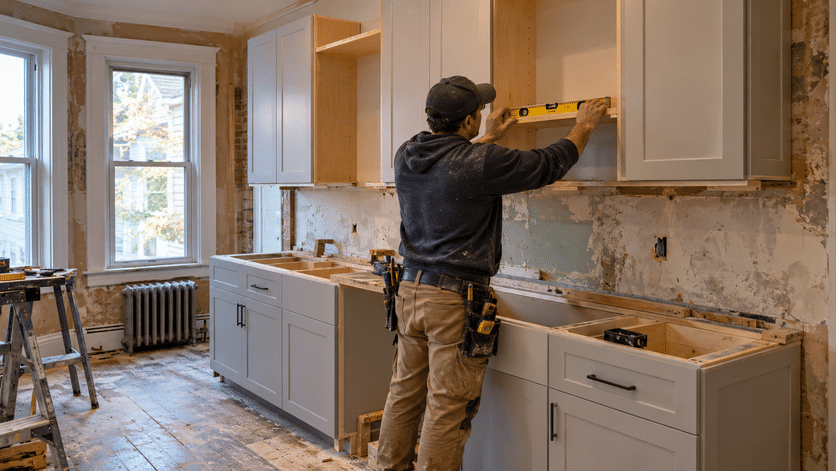
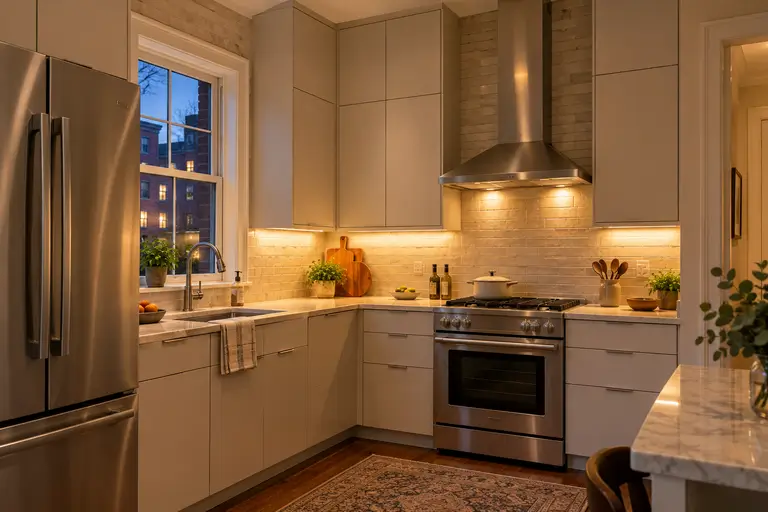
Creating storage that fits your space perfectly starts with understanding how to build a custom cabinet the right way. Unlike store-bought options, custom cabinetry allows you to control size, style, materials, and functionality down to the smallest detail.
Whether you’re planning a sleek modern cabinet or a traditional millwork cabinet, the process combines thoughtful design, precise craftsmanship, and smart material choices. From accurate measurements to quality finishes, each step plays a role in the final result. With the right approach, building custom cabinetry can deliver long-lasting beauty, improved organization, and a truly personalized addition to your home.
If you want to create a truly personalized storage solution, learning how to build a custom cabinet is key. Start by assessing your space, gathering the right tools, and understanding basic woodworking techniques. Planning carefully can prevent common mistakes and ensure a polished final product.
Let’s take a closer look at the process now!
What Are Custom Cabinets?
When you think about custom cabinets, you envision storage solutions tailored specifically to your needs and style. A custom cabinet maker can help you build custom cabinetry that reflects your vision. Whether you prefer a sleek, modern cabinet or a classic millwork cabinet, the process begins with designing custom cabinet plans that fit your space and functional requirements, ensuring a perfect blend of aesthetics and functionality.
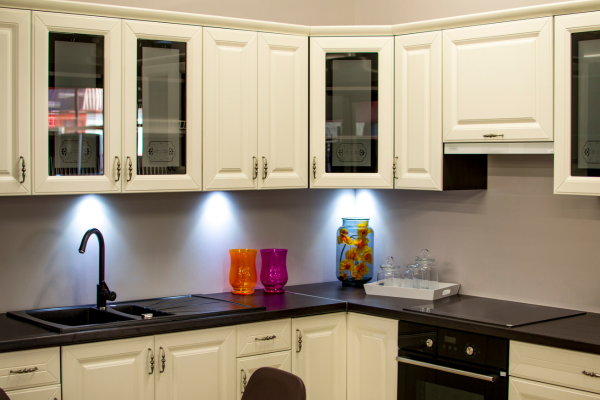
Tools & Materials Needed to Build a Custom Cabinet
Successfully building a custom cabinet starts with having the right tools and materials on hand. Having these items ready not only saves time but also makes the assembly, finishing, and installation process more efficient and enjoyable.
Power Tools (saw, drill, clamps, sander): Power tools speed up and improve the precision of custom cabinet construction. A saw ensures clean cuts, a drill handles screws and holes, clamps secure pieces, and a sander smooths surfaces. Quality tools improve craftsmanship and help create a durable, professional-looking cabinet.
Materials (plywood, hardwood face frames, hardware): Using the right materials ensures a strong, attractive cabinet. Choose durable plywood for the body, and hardwood face frames for added elegance and strength. Include essential hardware such as hinges, drawer slides, and handles to ensure smooth operation and enhance the cabinet’s overall appearance.
- Safety Gear: Protect yourself when building cabinets. Wear safety goggles for your eyes, ear protection with power tools, a dust mask to avoid inhaling particles, and gloves to prevent cuts or splinters. Prioritizing safety ensures a smooth and injury-free woodworking experience.
How to Design a Custom Cabinet
To design custom cabinet is about blending precision with creativity. By planning carefully and considering millwork, you can create a cabinet that’s both functional and beautifully tailored to your space.
Measuring tips
Accurate measurements ensure your cabinet fits seamlessly into its intended space. Measure height, width, and depth carefully, accounting for outlets, vents, and obstructions. Double-check dimensions and plan the door swing and clearance to ensure smooth operation and long-term usability.
Space planning
Before building a custom cabinet, practical space planning maximizes both function and aesthetics. Assess the available space and clearly define storage needs. Consider cabinet proportions, accessibility, and organization to ensure items are easy to reach while maintaining a balanced, visually appealing design that complements your home.
Choosing the cabinet style (frameless, face-frame, inset, modern)
Cabinet style defines the overall character of your design. Frameless offers sleek simplicity, face-frame adds classic charm, and inset provides refined elegance. Modern minimalist options emphasize clean lines. Select a style that aligns with your vision and enhances functionality.
Millwork considerations: edges, trim, joinery
Millwork details elevate your cabinet’s craftsmanship. Choose edge profiles like beveled or rounded for a polished finish. Incorporate trim, such as crown or base molding, to enhance the design. Rely on durable joinery methods, like dovetails or biscuits, for strength and seamless assembly.
Step-by-Step Process to Build a Custom Cabinet
Transforming your design into reality requires careful execution. Follow these steps to measure, cut, assemble, and finish your custom cabinet with precision and style.
Step 1 – Measure and Plan the Layout
Begin by measuring the cabinet space carefully, noting width, height, and depth. Account for baseboards, outlets, or door swings. Sketch a layout to visualize and design custom cabinet, defining its purpose to ensure both functionality and a perfect fit.
Step 2 – Cut the Cabinet Pieces
Mark each piece clearly using accurate measurements before cutting. Use a circular or table saw for straight cuts, and a jigsaw for curves. Always wear safety gear and double-check dimensions to guarantee precise assembly later.
Step 3 – Assemble the Cabinet Box
Lay out the sides, top, and bottom, then secure with wood glue and screws. Check corners for squareness to ensure stability. Wipe away excess glue, allow it to dry, and confirm alignment before proceeding to the next step.
Step 4 – Add the Back Panel
Measure the cabinet’s back opening and cut a panel from plywood or MDF. Position flush against edges, then secure with screws or nails. Ensure it’s level to enhance durability and stability, and to keep the cabinet square.
Step 5 – Build and Attach the Face Frame (Optional)
Cut frame pieces to size, assemble with glue and pocket screws, then attach to the cabinet front. Ensure level alignment. This optional step enhances aesthetics, adds strength, and significantly elevates the cabinet’s overall appearance.
Step 6 – Build Cabinet Doors and Drawers
Measure openings precisely, cut wood to size, and assemble frames with dowels or pocket holes. Install hinges or drawer slides for smooth operation. Test functionality thoroughly to confirm proper fit before moving on to finishing touches.
Step 7 – Sand, Finish & Paint
Sand surfaces smoothly to remove imperfections. Apply stain or finish to highlight wood grain, then paint or seal for protection. Choose colors that personalize your cabinet and ensure durability and a polished look for years to come.
Millwork Techniques That Improve Cabinet Quality
Millwork is the backbone of modern cabinet making. Whether you’re designing a millwork cabinet or refining existing cabinetry, trim details and precision joinery enhance durability, elevate aesthetics, and ensure your custom cabinets remain both functional and stylish for years to come.
Why millwork matters
Millwork ensures cabinets are structurally sound and visually appealing. Precise cuts, durable joints, and quality materials create a foundation that withstands daily use. Beyond functionality, well-executed millwork elevates design, making cabinets a lasting investment that enhances both style and performance.
Trim and molding options
Trim and molding add character and refinement to cabinets. Crown molding introduces elegance, while baseboards create clean lines. Rounded or squared profiles adapt to different styles. Finishing with paint or stain ensures trim integrates seamlessly, enhancing the cabinetry’s overall aesthetic appeal.
Precision joinery for long-lasting cabinets
Joinery techniques define cabinet strength and longevity. Dovetail joints reinforce drawers, while mortise-and-tenon joints secure frames. Accurate measuring and precise cutting guarantee stability. Investing time in joinery ensures cabinets resist wear, maintain alignment, and deliver professional-quality workmanship that endures for decades.
Should You Hire a Custom Cabinet Maker?
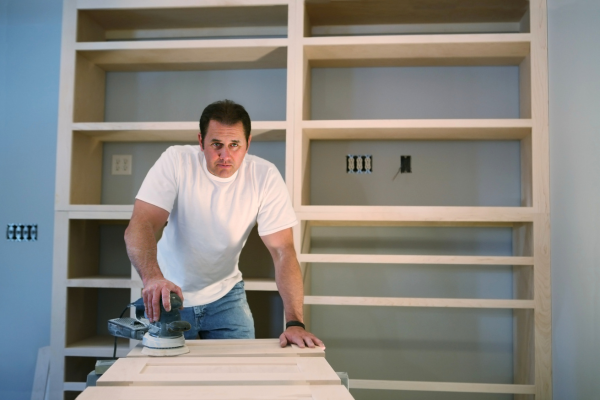
Deciding whether to hire a custom cabinet maker or build one yourself depends on your skills, tools, and time. Professionals ensure precision, efficiency, and expert guidance, turning your vision into reality. DIY offers savings and personal satisfaction but requires patience, accuracy, and craftsmanship.
Consider your confidence, available resources, and desired results carefully. Hiring a professional guarantees polished quality, while building it yourself can be rewarding if you enjoy hands-on projects and want complete creative control.
Common Mistakes to Avoid When Building a Custom Cabinet
Building a custom cabinet requires careful planning, precision, and patience at every stage of the process. Avoiding common mistakes helps ensure long-term durability, smooth functionality, and a polished, professional finish that enhances your space. Taking the time to do each step correctly can also save you from costly rework, wasted materials, and frustrating installation issues.
Inaccurate measurements
Even small measuring errors can lead to cabinets that don’t fit properly within the intended space. Miscalculations often result in gaps, uneven doors, or the need to recut materials, increasing costs and delays. Always measure multiple times and account for walls that may not be perfectly square.
Ignoring material thickness
Failing to account for the thickness of plywood, solid wood, or backing materials can compromise both strength and alignment. This oversight can cause drawers to bind, doors to sit unevenly, or joints to weaken over time. Proper planning ensures structural stability and consistent dimensions throughout the cabinet.
Skipping sanding
Skipping or rushing the sanding process leaves rough edges, visible imperfections, and uneven surfaces. These flaws become more noticeable after staining or painting and reduce the overall quality of the finish. Thorough sanding creates a smooth surface that allows finishes to adhere evenly and look professional.
Rushing assembly
- Assembling components too quickly can lead to misalignment, weak joints, and structural instability. Cabinets that aren’t properly squared or secured may shift, squeak, or fail under daily use. Taking the time to clamp, align, and fasten pieces correctly results in stronger, longer-lasting cabinets.
Building a custom cabinet involves careful planning, precise measurements, quality materials, and proper assembly techniques. Understanding millwork details, design choices, and finishing methods helps ensure durability and a polished look. By avoiding common mistakes and knowing when to work with a custom cabinet maker, homeowners can achieve functional, long-lasting cabinetry that enhances any space.
Final Tips for Building Custom Cabinets
When building custom cabinet projects, precision and attention to detail are key to a professional result. Take the time to sand surfaces smoothly, apply finishes consistently, and verify all measurements carefully. Avoid rushing assembly to ensure a perfect fit and alignment. Adding features like soft-close hinges can enhance functionality and style. Follow these tips for a polished outcome and enjoy the satisfaction of a job well done!
Get Expert Help with Custom Cabinetry Today by Calling Fabwright Origins!
Frequently Asked Questions
1. How Long Does It Take to Build a Custom Cabinet?
Building a custom cabinet typically takes anywhere from a few days to a couple of weeks. It depends on your skill level, the design complexity, and the materials you choose.
2. What Is the Cost of Building a Custom Cabinet?
The cost of building a custom cabinet varies based on materials and design. You’ll typically spend anywhere from a few hundred to several thousand dollars, depending on your choices and the complexity of your project.
3. Can I Build a Cabinet Without Prior Woodworking Experience?
Yes, you can definitely build a cabinet without prior woodworking experience! With the right tools, guidance, and a bit of patience, you’ll find that creating something custom is both achievable and rewarding. Just plunge in!
4. What Type of Finish Is Best for Custom Cabinets?
When choosing a finish for your custom cabinets, consider durability and aesthetics. Water-based polyurethane offers excellent protection and dries quickly, while oil-based finishes provide a rich look but take longer to cure. Your choice matters!
5. Where Can I Find Inspiration for Custom Cabinet Designs?
You can find inspiration for custom cabinet designs by exploring home improvement websites, visiting design showrooms, browsing Pinterest boards, or checking out interior design magazines. Each source offers unique styles to spark your creativity.